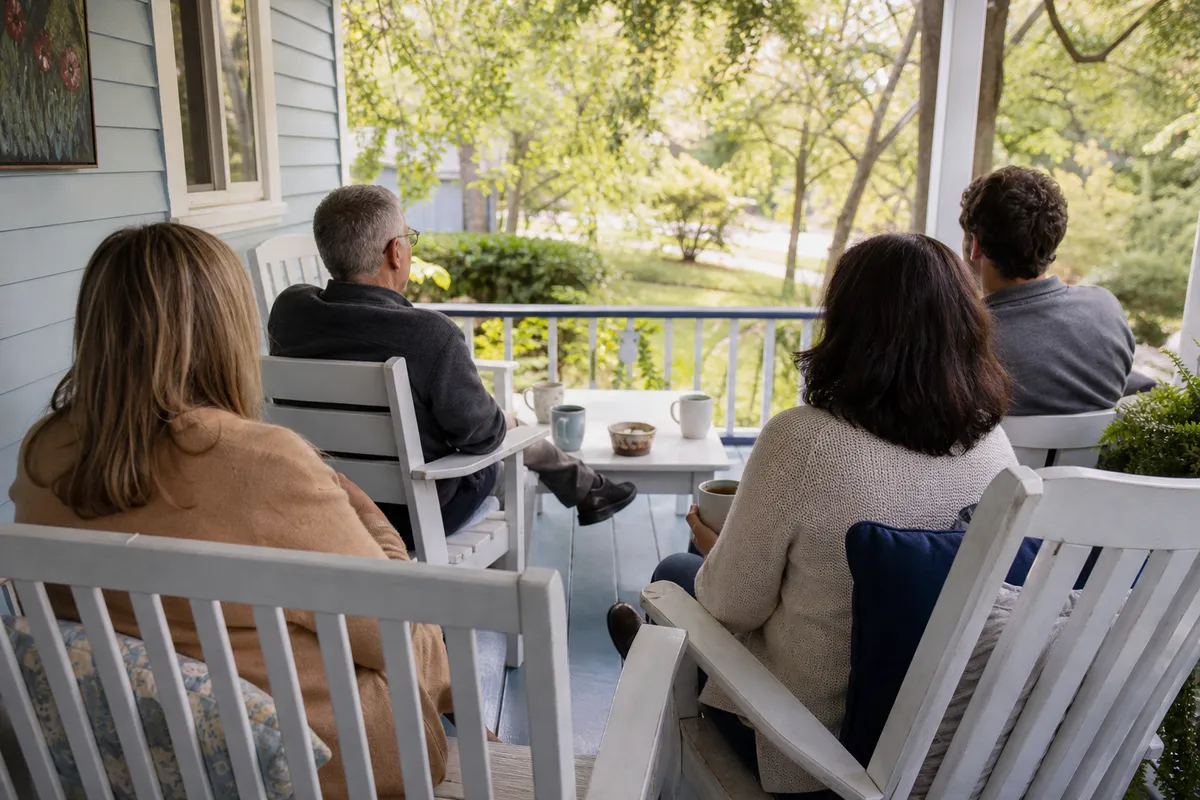




Holiday Stress Has Triggers. Look at the Family Visit
Holiday stress and family gatherings can feel inseparable. But noticing stress triggers gives you a more specific place to start.
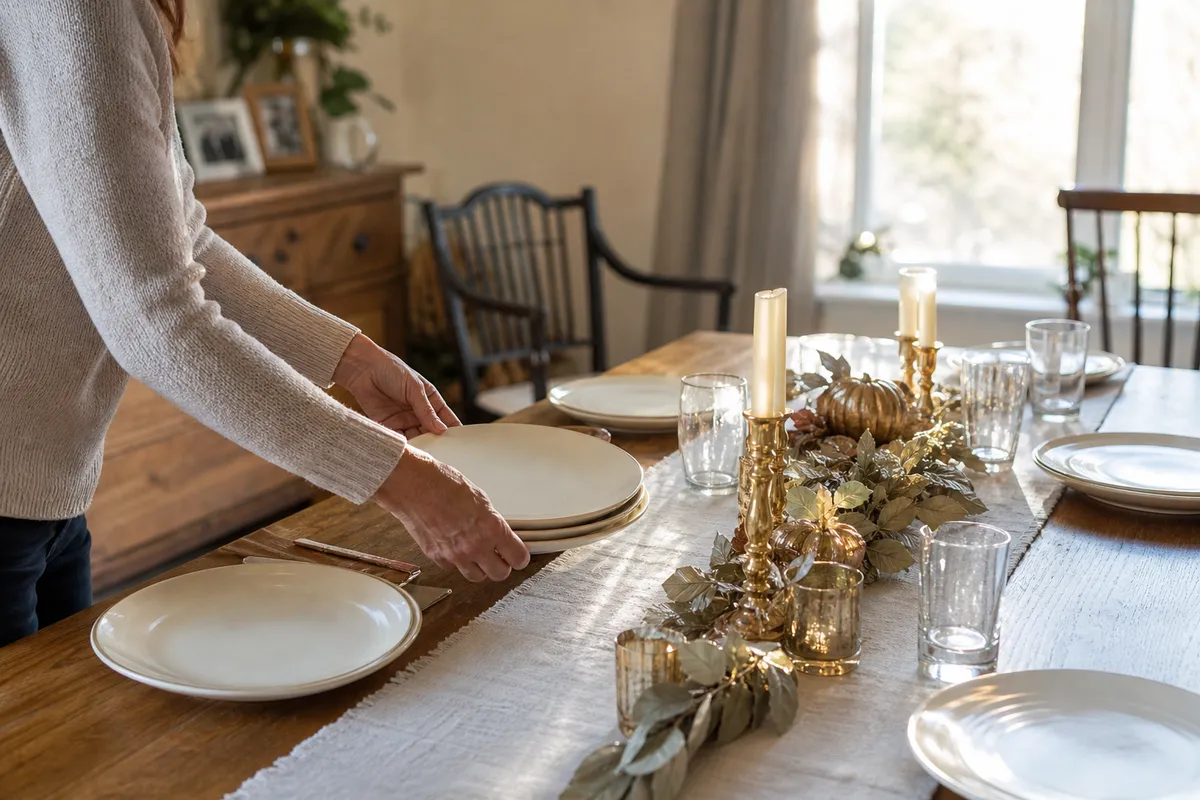
Say you are an adult looking at a holiday invitation, already thinking about the family visit. Before putting a coping plan on your calendar, consider a smaller starting point: naming what about the gathering feels stressful.
The National Institute of Mental Health (NIMH) specifically names family visits among the pressures that can bring sadness or anxiety around the holidays. It distinguishes those pressures from seasonal affective disorder, a form of depression related to changes in daylight hours.[1]
Start with the event that feels difficult, then explore coping options that fit your experience. NIMH explains that understanding stress triggers and finding useful coping techniques can help, while emphasizing that discovering what works may take trial and error.[2]
Making sense of holiday stress and family gatherings
NIMH describes stress as a physical or mental response to an external cause. That cause can be a single event or something that happens repeatedly. A family visit gives you a specific situation to consider instead of treating the whole holiday season as one undivided problem.[1][2]
For a hypothetical planning exercise, finish this sentence: “When I picture the visit, the part that feels difficult is…” Keep the answer focused on your experience. There is no need to explain everyone else's behavior before noticing your own response.
Stress and anxiety can affect both mind and body. NIMH lists excessive worry, uneasiness and tension, along with headaches or body pain and loss of sleep. These give you concrete things to notice rather than relying only on the broad description “stressed.”[2]
Optional journal prompts might include “What was happening when I noticed tension?” and “What was on my mind when I had trouble sleeping?” Treat the answers as observations to explore, rather than conclusions about a diagnosis.
Finding a coping option worth trying
Once you have named a possible trigger, the next step is choosing something to explore. NIMH includes journaling and relaxation exercises among its coping suggestions. Examples include deep breathing and visualization, which means picturing a scene or image as part of a relaxation exercise.[2]
Another option is mindfulness, which NIMH describes as actively paying attention to the present moment. That definition gives the practice a concrete focus: noticing what is happening now. NIMH also suggests identifying and challenging negative or unhelpful thoughts.[2]
These suggestions offer choices, and the trial-and-error qualification matters. The source does not set out a single holiday routine that everyone should follow. Its guidance leaves room to learn which approaches are useful to you.[2]
For a planning exercise, you could write a brief entry with a possible trigger and an option you are curious about trying. Later, add what you noticed. The purpose is to explore a fit, without making a holiday gathering a test you must pass.
Keeping ordinary supports in view
A coping plan can also include familiar routines. NIMH recommends exercise, healthy regular meals and a sleep routine with enough sleep. It also advises avoiding excess caffeine, including coffee and soft drinks.[2]
Alongside these habits, NIMH suggests reaching out to friends or relatives who help you cope in a positive way. The useful distinction here is the support someone offers you. Consider whose conversation you find helpful, rather than assuming every family connection serves the same role.[2]
For a simple planning note, these source-grounded prompts offer places to start:
- Name a possible trigger and consider journaling or a relaxation exercise.
- Look at where regular meals, movement and sleep fit into your holiday plans.
- Consider your caffeine habits, including coffee and soft drinks.
- Identify a friend or relative who helps you cope positively.
These are options for reflection, not requirements for a successful visit. NIMH's emphasis on discovering what works leaves room for a plan to change as you learn from it.[2]
Leaving room in a difficult conversation
Preparation may include thinking about how you want to listen. The Substance Abuse and Mental Health Services Administration (SAMHSA) recommends listening carefully and repeating back what you heard. It explains that this can help someone feel understood and give them a chance to correct a misunderstanding.[3]
For example, in a hypothetical family conversation, a reflection could sound like, “I heard you say the visit feels overwhelming. Did I understand that?” The wording checks your understanding without supplying an explanation for the other person.
SAMHSA also recommends commenting on strengths and thanking someone for being willing to speak. An illustrative response might be, “You put care into explaining that. Thank you for telling me.” Acknowledging a strength belongs alongside listening, rather than turning the conversation into a list of things the person is doing wrong.[3]
If someone does not want to talk, SAMHSA recommends letting them know you will be there when they are ready. “We can leave this here, and I am willing to listen another time” is one possible way to express that. Respecting a pause means leaving room for the conversation to resume without insisting that it happen now.[3]
Recognizing when coping remains difficult
Having several coping options does not settle every difficulty. NIMH says that struggling to cope, or having stress or anxiety symptoms that will not go away, may be a reason to talk with a professional. The passage quoted here gives no fixed number of days to wait.[2]
Return to that invitation with a more specific starting point: the part of the visit that feels difficult. One concrete next step is to write down that possible trigger and one coping option you would like to explore. If coping remains difficult or symptoms persist, a conversation with a professional is another source-supported step to consider.[2]
Frequently asked questions
Is feeling anxious before a holiday visit the same as seasonal depression?
Anxiety linked to holiday pressures is different from the daylight-related depression associated with seasonal affective disorder. NIMH explicitly includes family visits among holiday stressors and cautions against confusing these pressures with that seasonal condition.[1]
Does holiday stress have to happen every year?
Stress can arise from a one-time event or from a situation that happens repeatedly, according to NIMH. An annual pattern is not part of its general definition of stress.[2]
Can an app be an option for exploring relaxation?
NIMH lists an app offering relaxation exercises or mindfulness tips among the options people can try when overwhelmed. Examples include deep breathing and visualization; finding a useful coping approach may take trial and error.[2]
For general education. Talk with a qualified clinician about your own care.