




Winter blues vs seasonal depression: why the yearly pattern matters
Winter blues vs seasonal depression: understand the symptoms, seasonal timing and year-to-year history that matter in a professional assessment.
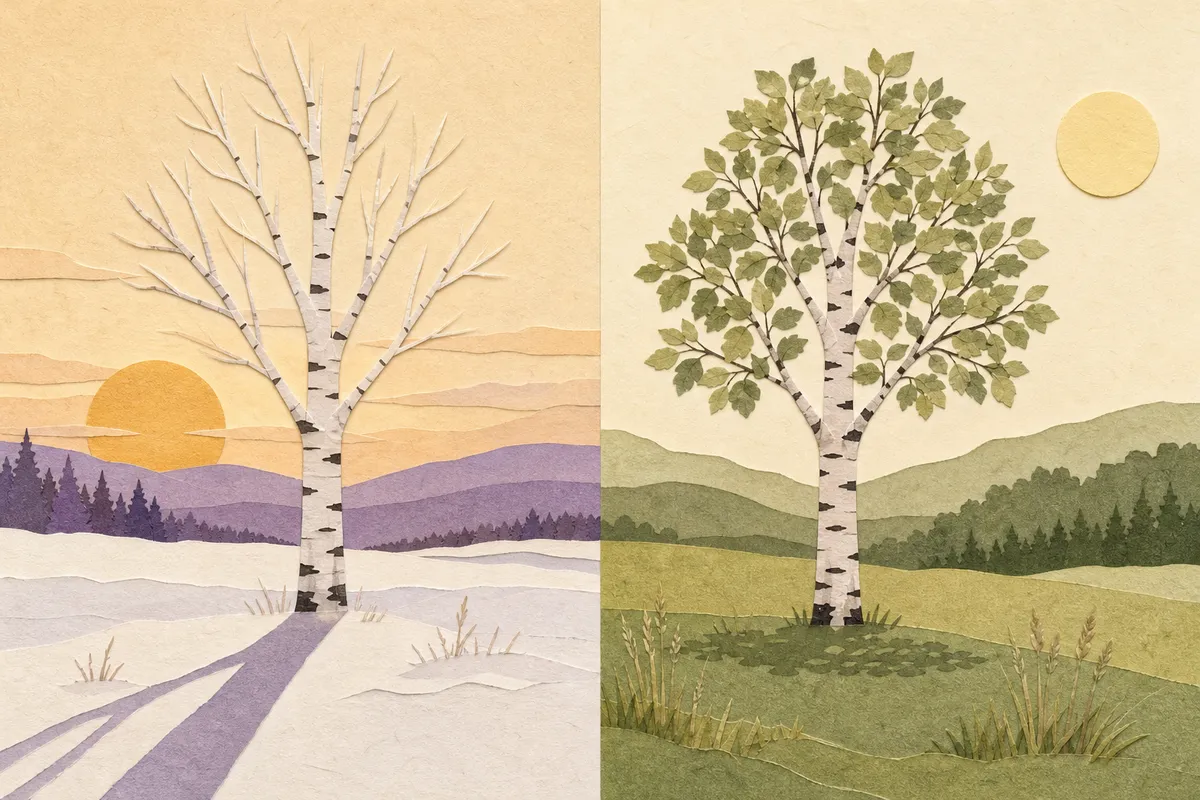
As you balance the demands of adult life, shorter days arrive and you notice that your mood seems to follow the light. The National Institute of Mental Health (NIMH) describes a familiar experience: many people feel down during fall and winter, then feel better when longer daylight hours return. For some, those changes become more serious and affect how they feel, think and behave.[1]
Understanding winter blues vs seasonal depression means looking beyond the month on the calendar. Seasonal affective disorder, or SAD, is a type of depression with a recurring seasonal pattern. The symptoms matter, but so does their history: when they begin, when they ease and whether depression also occurs at other times of year.[1]
Winter blues vs seasonal depression: look beyond a low day
A brief dip in mood during winter gives only a small piece of the picture. NIMH describes SAD as depression that follows a recurrent seasonal pattern, with symptoms lasting about 4–5 months of the year. That is a course measured in months, rather than a passing low day.[1]
The distinction also involves what changes. Depression can affect interest in activities, energy and concentration, along with mood. A seasonal pattern therefore involves more than noticing that you prefer brighter days. Professional assessment considers the symptoms and how depressive episodes line up across seasons and years.[1]
One winter and several years tell different parts of the story
Winter-pattern SAD usually begins in late fall or early winter and goes away during spring and summer. Some people experience depression during spring and summer instead. NIMH calls this summer-pattern SAD and says it is less common.[1]
Two different time scales help explain the pattern. The roughly 4–5-month period describes how long symptoms can last within a year. The diagnostic history looks across years: depressive episodes must occur during a particular season for at least two consecutive years.[1]
Those time scales answer different questions. One concerns the length of a seasonal episode; the other concerns recurrence. A single difficult winter does not supply the full history used to identify SAD. NIMH nevertheless encourages people with symptoms to discuss their concerns with a health care provider or mental health specialist; the two-year criterion is not an instruction to postpone that conversation.[1]
Sleep, appetite and social life
NIMH lists persistent sadness, anxiety or an empty mood most of the day, nearly every day, for at least two weeks among depression symptoms. Other symptoms can include hopelessness, irritability, loss of interest or pleasure, fatigue and trouble concentrating, remembering or making decisions. Sleep and appetite can change as well.[1]
Winter-pattern SAD can bring additional changes:[1]
- Oversleeping.
- Overeating, especially with cravings for carbohydrates, which can lead to weight gain.
- Social withdrawal, sometimes described as feeling like hibernating.
These examples make the pattern more concrete. Sleep, eating and time spent with other people belong in the picture alongside mood. NIMH also notes that people with SAD do not necessarily experience every listed symptom, so a symptom list cannot substitute for professional assessment.[1]
Holiday pressures and seasonal timing
A crowded holiday schedule, predictable work changes and family visits can bring stress at particular times of year. NIMH distinguishes sadness or anxiety linked to those pressures, sometimes called holiday blues, from winter-pattern SAD.[1]
The depression associated with SAD is related to changes in daylight hours. Holiday stress is tied to events and demands. Because both can occur in winter, simply identifying December as a difficult month does not explain the pattern.[1]
That distinction gives a conversation about winter mood more precision. A useful question is, “How do you distinguish stress around seasonal events from a recurring seasonal pattern of depression?” It asks about the basis for an assessment without assuming that the calendar already supplies the answer.
The assessment conversation
A health care provider or mental health specialist may use a questionnaire to help determine whether symptoms meet the criteria for SAD. NIMH describes an assessment that considers depression symptoms, recurrence during a specific season for at least two consecutive years, and how often episodes happen outside that season.[1]
That last comparison is easy to overlook. Depressive episodes during the particular season must be more frequent than episodes at other times of year. Feeling low in winter alone leaves that comparison unanswered. An assessment needs the broader history, including depression that occurs in other seasons.[1]
Three useful points to carry into a discussion are:
- Separate duration from recurrence. About 4–5 months describes the seasonal symptom course; consecutive years describe the history used in diagnosis.
- Include changes beyond mood. Oversleeping, carbohydrate cravings and social withdrawal are among the winter-specific symptoms NIMH identifies.
- Ask how the whole year fits. The frequency of depression outside the suspected season matters to the assessment.
Geography offers context, not a local answer
NIMH says SAD is more common farther north, where winter daylight hours are shorter. Its examples compare Alaska and New England with Texas and Florida: people in the northern locations are more likely to develop SAD.[1]
This comparison adds context to the connection with daylight. The diagnostic assessment still centers on symptoms and the seasonal history, including episodes at other times of year.[1]
When shorter days bring the question back, the useful next step is a clearer conversation rather than a label based on the weather. One question for a health care provider or mental health specialist is, “What history helps you assess whether depression follows a seasonal pattern?”
Frequently asked questions
Can seasonal depression happen in summer?
Yes. NIMH describes summer-pattern SAD as depressive symptoms occurring during spring and summer. It is less common than winter-pattern SAD.[1]
Does SAD have to happen every year?
No. NIMH says not everyone with SAD experiences symptoms every year. Its diagnostic criteria include depressive episodes during a specific season for at least two consecutive years, with episodes more frequent in that season than at other times.[1]
Is there a questionnaire for seasonal affective disorder?
A health care provider or mental health specialist may use a questionnaire to help determine whether symptoms meet SAD criteria. The assessment also considers the timing and recurrence of depressive episodes, including episodes outside the suspected season.[1]
For general education. Talk with a qualified clinician about your own care.